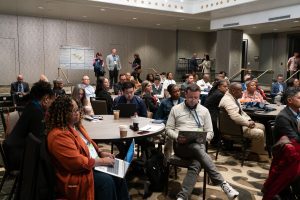
2025 National Rural Housing Conference – Heirs’ Property Forum Panel 4
Preserving Rural Homes Through Collaborative Services
Rural Homes, Secure Land: An Heirs’ Property Pre-Conference Event
The National Rural Housing Conference took place during the week of November 2, 2025, in Washington, DC. During the conference, the Heirs’ Property forum convened practitioners, researchers, policymakers, community leaders, and funders to explore the multidimensional challenges surrounding heirs’ property.
Across all sessions, the forum revealed that heirs’ property can lead to multidimensional, intergenerational, socio-economic, cultural, and infrastructural challenges. Addressing these requires cross-sector ecosystems, legal, financial, design, philanthropic, governmental, and community-based resources, that can meet families where they are, honor their histories, and create durable structures for long-term stability.
Building on this shared understanding, the forum was organized as a pre-conference symposium featuring a series of panels, followed by two workshops during the conference week that examined these themes in greater depth. The following article recap details key takeaways from symposium panel #4.
This article is part of an ongoing conference series. Want to learn more? Explore the full series below.
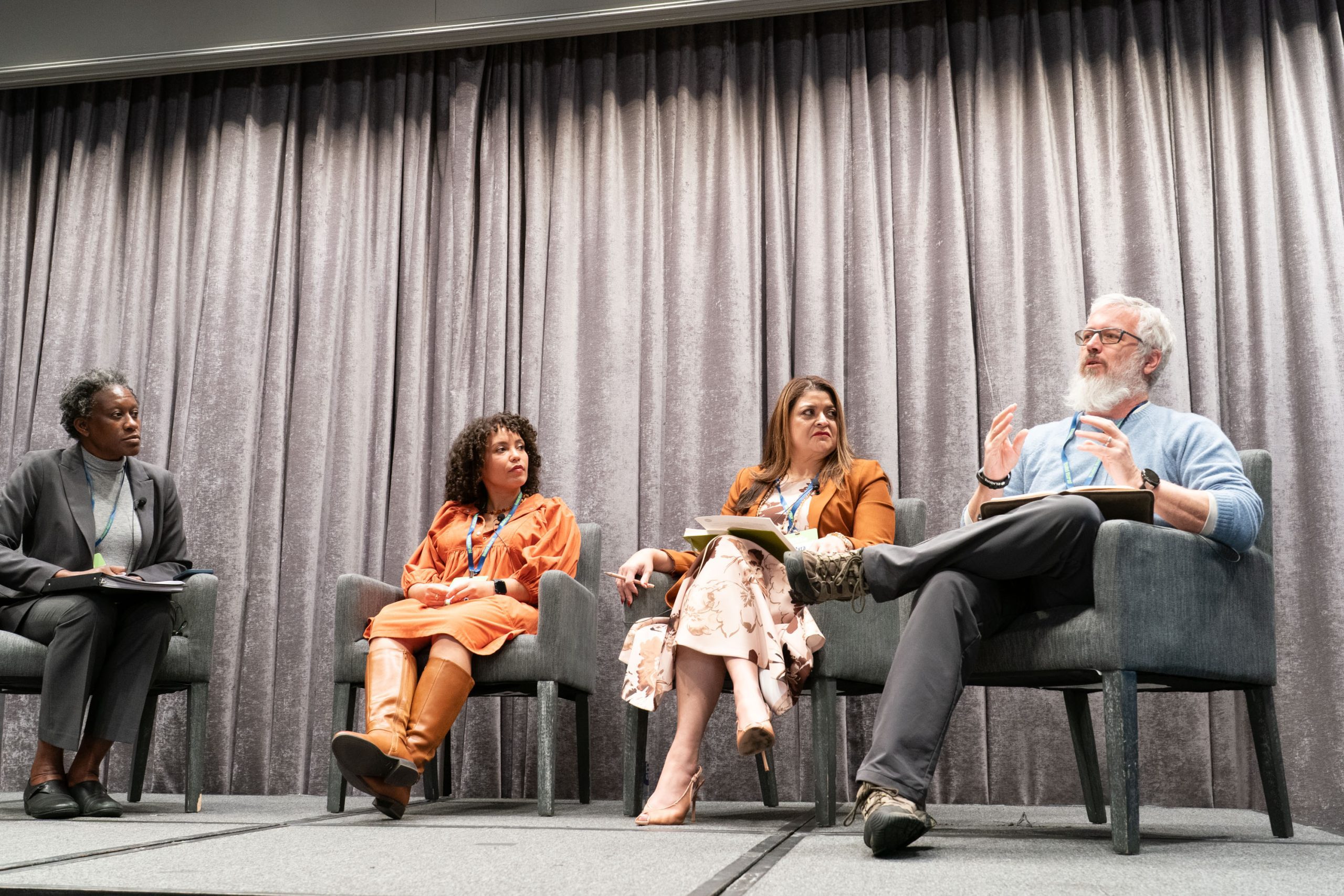
Preserving Rural Homes Through Collaborative Services
Panelists:
- Chris Doll, Housing Development Alliance
- Jacy Fisher, Esq., Gregory Varner and Associates, and Clear Landing
- Dr. Karama Neal, Neal Firm and Asset Funders Network
- Myra Martinez, Affordable Homes of South Texas
Overview
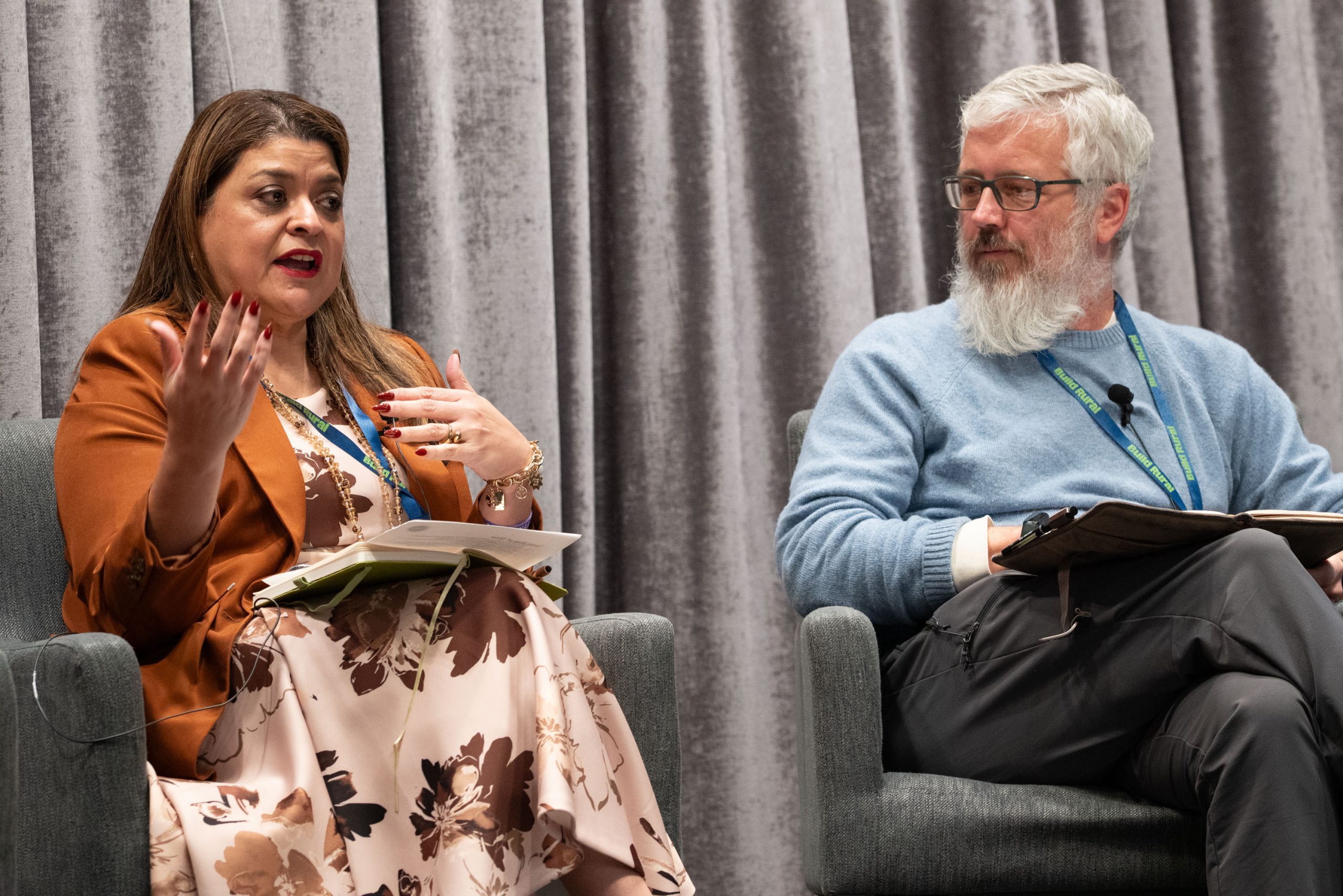
Panel 4 focused on how collaborative, multi-sector ecosystems work together to preserve rural homes and stabilize families living on heirs’ property. This panel emphasized that heirs’ property work cannot be siloed. Preserving land and homes requires coordinated systems, flexible metrics, trauma-aware engagement with families, and a deep understanding of local history, particularly in the rural South where properties may be owned by hundreds of heirs.
Detailed Recap
1. Housing Development Alliances & Title Preservation
Panelists emphasized how home repair and title clearing are inseparable.
Panelists also highlighted that historic deeds in the South create dense family trees: “Historic deeds in Alabama’s Black Belt date back to the 1800s… leading to millions of acres being passed down with many, many heirs.”
2. Rural–Urban Intersections & Housing Pressure
Heirs’ property is not only a rural issue; owners can also face urban pressures, including:
- Gentrification
- Tax foreclosure
- Speculative buying
- Displacement pressures
As one panelist noted: “Urban, rural… housing issues impact both communities; preservation and prevention must happen together.”
3.Collaborative Ecosystem Model
Solving heirs’ property issues requires an interconnected network of practitioners and institutions (i.e. attorneys, title abstractors, surveyors, appraisers, community-based nonprofits, housing developers, policy advocates, financial institutions, philanthropic funders, county clerks, and local officials). These relationships can prevent families from navigating complex systems alone.
4.Preservation vs. Prevention
The panel drew a sharp distinction: preservation is keeping the property in the family, and prevention is clearing titles for new homeowners.
Prevention = estate planning for new buyers.
Preservation = stabilizing ownership for existing multigenerational families.
5.The Importance of Trust & Trauma-Aware Practice
Key insights included:
- families may distrust systems due to historical racial exploitation
- heirs’ property cases often involve grief, conflict, and generational trauma
- practitioners must move slowly and intentionally
Quotes from panelists underscored this:
“Relationships matter. It’s about trust and proximity, and there is no substitute for showing up.”
“Meet people where they are… Be mindful that we come into people’s lives at moments of vulnerability.”
6.Rethinking Success Metrics
Panelists urged shifting away from transactional measures of success (e.g., “titles cleared”). Instead:
“Shift metrics from ‘how many titles are cleared’ to ‘are ownership goals met?'” Families’ goals vary. Some want to stay in the home while others want to sell with dignity. Success should reflect family intent, not administrative efficiency.
7.Policy Opportunities & System Reform
Dr. Neal framed national opportunities in this way: “[The Asset Funders Network report] ‘Heirs’ Property: Investing to Preserve Wealth’ described policy opportunities… we need the political will.”
Potential reforms include:
- Updating Uniform Tenant-in-Common laws
- HUD frameworks for “between rent and ownership” households
- State probate modernization
- Disaster relief eligibility reform
- Funding for legal services and probate fees
Panelists emphasized that incremental state-level reforms are the most feasible path to policy success.
8.Cross-Sector Examples That Work
Examples of successful cross-sector collaboration models suggested by the panelists included:
- Integrated home repair + title clearing partnerships (HDA + AHPC)
- Estate planning integrated with first-time homebuying
- County clerk collaborations to modernize deed systems
- Surveyor/appraiser cost-sharing initiatives
- Community foundations funding emergency probate support
9.The Long Game
The session closed with this reflection: “This work is not just changing land ownership; it’s altering generational trajectories.” Real progress requires time, trust, and cross-sector cooperation, moving at “relationship speed,” not program speed.
Key Takeaways
- Rural home preservation requires cross-sector collaboration.
- Historic deeds in the rural South can include hundreds of heirs, complicating probate and title resolution.
- Housing preservation and title clearing must be integrated; neither can succeed alone.
- Trust is essential; families are often navigating trauma, conflict, and mistrust as they clear title.
- Metrics must shift from “titles cleared” to “ownership goals met.”
- Prevention (estate planning) is as important as title clearing.
- Policy opportunities include probate reform, tenant-in-common reform, and disaster aid eligibility modernization.
- Start small, use plain language, and build long-term relationships.
“This work is not just changing land ownership; it’s altering generational trajectories.” – Dr. Karama Neal
Stay tuned, in the coming weeks, we will be sharing more conference highlights.
Compiled and written by Odia Kaba, Research Fellow