



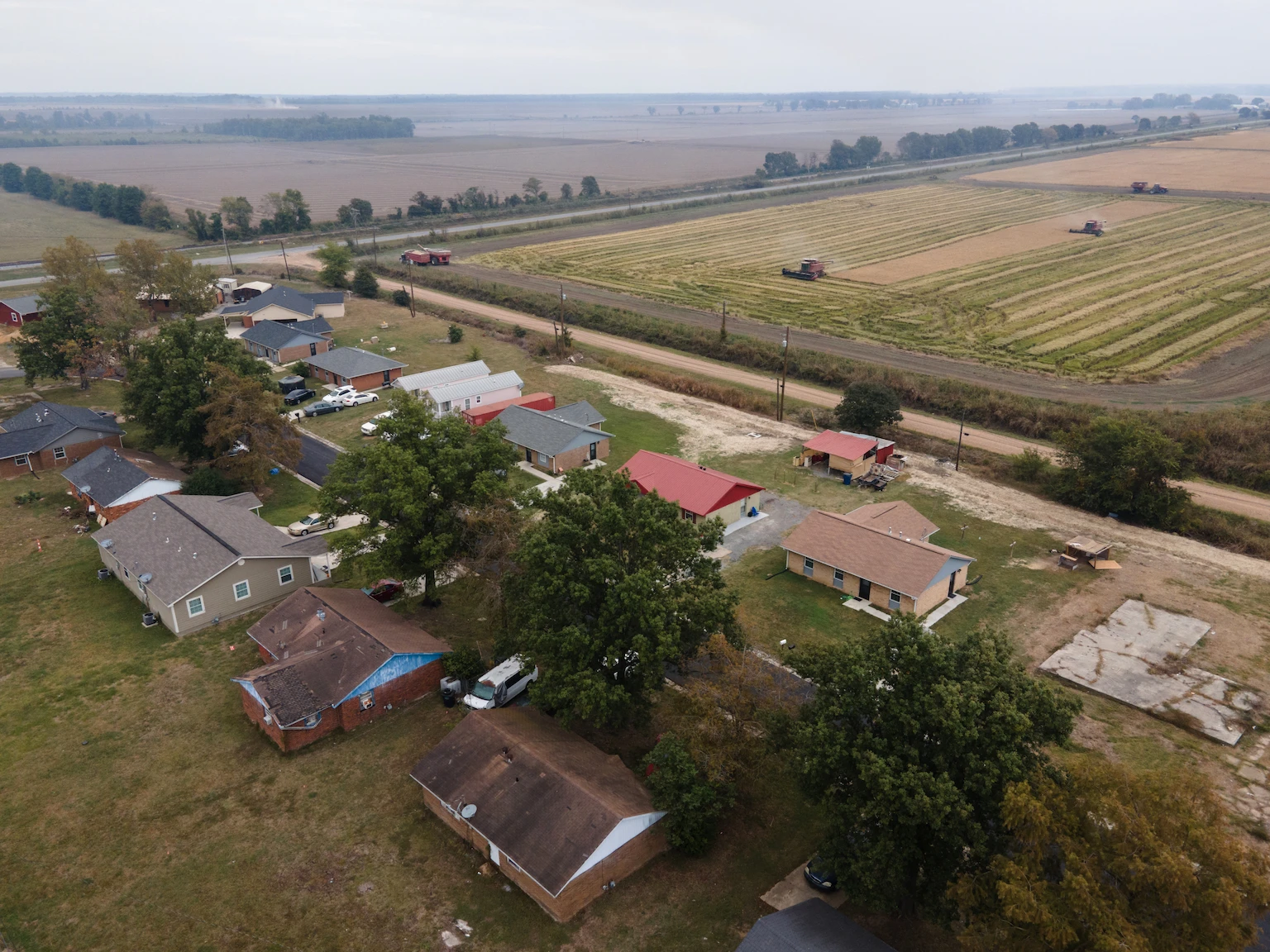
Heirs’ property is a legal form of land ownership, but it comes with risks. Because heirs do not hold a clear title, they may have difficulty accessing financial resources like a mortgage or financing for home repairs, and have limited access to disaster relief or government assistance programs. These challenges can make it harder for families to live safely and securely on their land over time. Fixing the problem, known as clearing a tangled title, is possible, but it requires time, money, and legal effort from the heirs.
Risk
Partition is a legal action taken to divide a property between all living heirs. The process gives heirs the opportunity to pay other cotenants for their share of the property if they do not want to continue ownership, or it divides the property physically so that each heir has their own smaller parcel. Any heir can begin the partition process without permission from the other heirs, and may force the sale of the property in court if they do not accept the other heirs’ offers to buy them out or subdivide the land.
If a land speculator, developer, or other individual buys a share in the property from one of the heirs, they can also force a partition sale. Many partition sales result in the property sold at auction, for far less than it is worth. Speculators have used this method to acquire property from families for a low price, by forcing a sale and purchasing the entire property at auction.
Working Solution
Stronger federal and state policies are needed to better support heirs’ property owners. Policy efforts can focus on:
- Prevention and protection: Reduce the creation of heirs’ property and protect existing heirs’ property owners.
- Simplifying inheritance: Make it easier to transfer property and clear tangled titles.
- Land retention: Help families keep and maintain their land.
One important tool is the Uniform Partition of Heirs’ Property Act (UPHPA), a state law that reduces the risk of land loss. Other state-level policies can also provide protections and resources.

Risk
While mortgages offer securities and protections for borrowers, home-only loans and alternative financing like lease-purchase (rent-to-own) agreements have higher interest rates, shorter repayment terms, and chances for buyers to be taken advantage of.
When landowners do not have a clear title or a deed to their property with their name on it, it is likely that they will be denied mortgage financing for a home. Some property owners turn to home-only, personal property loans for manufactured housing, but these loans have higher interest rates and denial rates. While there are housing finance products for manufactured housing, these loans only support the purchase of real property, which requires clear ownership of the land at the time of purchase.
Heirs’ property owners who cannot secure mortgage loans may turn to alternative financing. Heirs who purchase a manufactured home using alternative financing methods may be at risk of predatory lending practices. These risks leave heirs’ property owners unequipped to leverage the wealth of property ownership.
Working Solution
Some mortgage lenders will allow heirs to assume an existing mortgage with a legal document that proves their inheritance of the land. Additionally, researchers and financial institutions are working together to explore options that will allow heirs to access secure financing with demonstrated partial interest.
Another short-term solution for heirs’ property owners is opening pathways for them to access capital for their housing needs. Low-interest loans for home purchasing can prevent heirs’ property owners from entering predatory purchase agreements for manufactured housing or other structures.

Risk
When a property is still recorded under a deceased owner’s name, heirs who do not live on the property may not receive notices of tax bills. This can lead to tax foreclosure on the property, and often not until the overdue balance is too high to pay in a lump sum.
If an heir living on a property with a tax exemption clears the title, they have to reapply for the relief programs and may be denied exemptions that had been given to the previous owner. This can make the property taxes unaffordable for the new owner.
Working Solution
When a property is still recorded under a deceased owner’s name, heirs who do not live on the property may not receive notices of tax bills. This can lead to tax foreclosure on the property, and often not until the overdue balance is too high to Some states have policies in place that allow heirs to continue property tax exemptions when they inherit heirs’ property. Policies to protect heirs’ property owners from excessive tax burdens include entitlement to the past exemption if they notify the tax assessor, allowing retroactive exemption for a period of time, and allowing a legal affidavit proving the heirs’ partial ownership to qualify them for the exemption. More clarity is still needed for heirs to be aware of tax exemptions that they may qualify for, and more effective notification methods are needed for heirs to become aware of taxes owed on their property before the overdue sum is too high to manage.
Risk
Until recently, FEMA required that homeowners provide proof of ownership In order to apply for federal relief funding after a natural disaster. This requirement left many heirs’ property owners ineligible for disaster relief, since they do not have deeds or title to their property with their own name listed. While limited in its scope, FEMA has begun accepting proof of occupancy, and has some options for affected homeowners to verify their occupancy when applying for relief.
Working Solution
Allowing heirs’ property owners to submit multiple, alternative forms of documentation for disaster relief and home repair funds can ensure that property owners remain in their homes and communities. An expanded rollout of acceptable proof of occupancy documents for federal and local disaster relief and repair programs is necessary to make funds accessible to heirs.
Risk
Because heirs’ property owners are likely to be denied mortgage financing, home repair loans, and tax relief programs for their properties, they face the risks of debt, foreclosure, inadequate housing, and other challenges that prevent them from fully accessing the benefits of property ownership and building their wealth. Some heirs’ property owners may not make repairs or improvements to their properties, either because their tangled title makes them ineligible for repair loans, or because they are unlikely to be able to get any return on their investments.
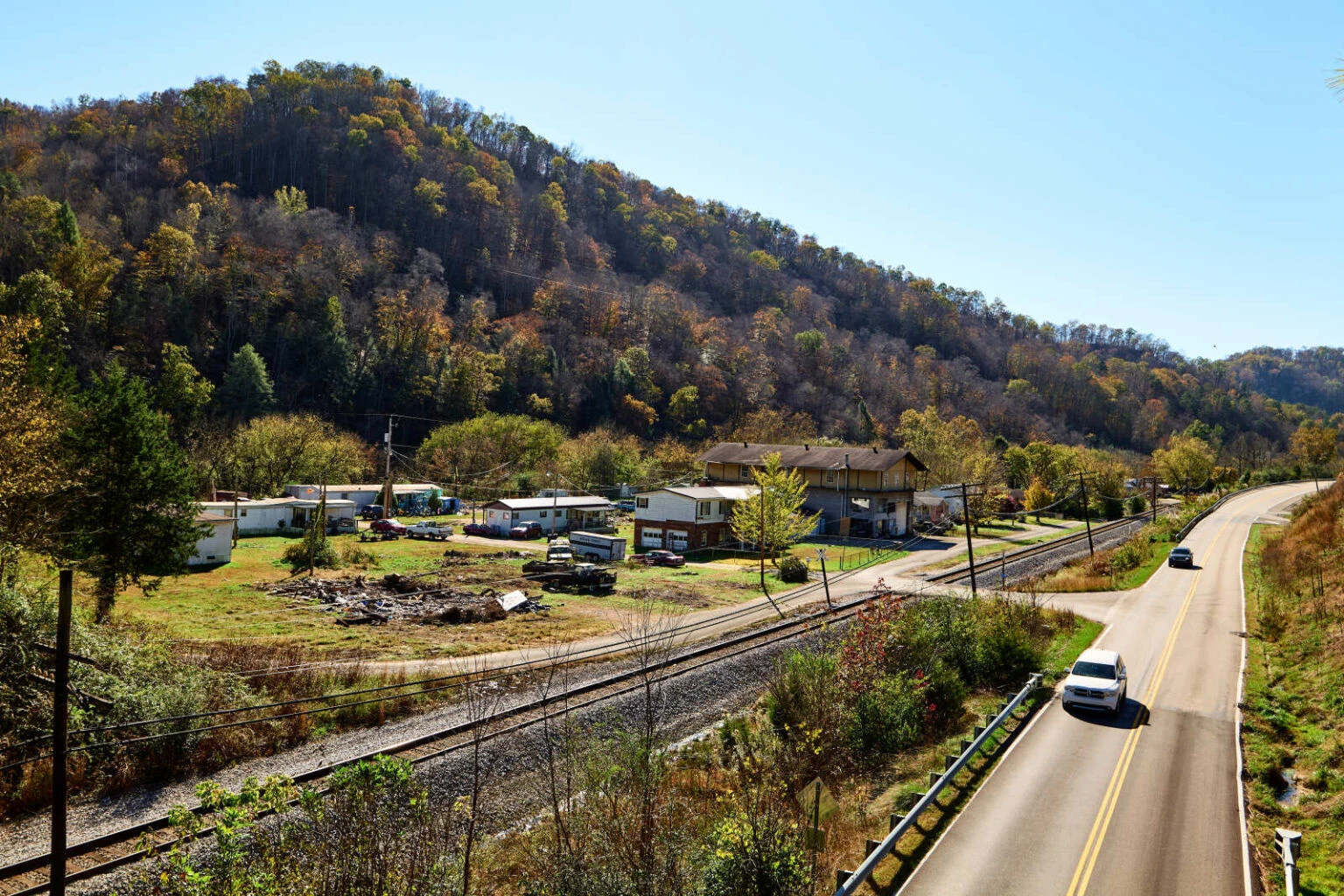
When property owners cannot utilize their assets, or distant relatives are unaware that they owe taxes on a property, the property is more likely to become vacant or fall into disrepair. Communities with high rates of heirs’ property may face lower tax revenue, public nuisance filings for vacant properties, or other obstacles to preserving community wealth.
Working Solution
Current holistic and cross-sector approaches are needed to prevent the creation of future heirs’ properties and support current owners with title issues. Heirs’ property owners need legal services, mediation, access to flexible financial capital, and education to navigate the complex process of clearing titles and preventing future issues.

Efforts to address the issues associated with heirs’ property ownership include research, policy changes, legal support, and increased access to financial capital for heirs’ property owners.
National and local research is needed to continue understanding the prevalence of heirs’ property, inform solution development and policy efforts, and evaluate the effectiveness of approaches to supporting heirs’ property owners. Access to complete and consistent data, cross-sector collaboration, and financial support for research are needed to advance research efforts.
Resolving the issue of heirs’ property must be done in collaboration with the legal sector. There are attorneys representing, providing advice, educating families and communities, and pursuing policy changes to support owners with title issues and prevent the creation of new heirs’ properties. Community efforts to prevent and resolve heirs’ property issues are enhanced and sustained by financial support. Research from the Asset Funders Network demonstrates that social return on investment is up to $36 for every dollar invested in heirs’ property resolution work.
Solutions must allow property owners to choose their preferred form of land control while still providing them access to the full benefits of homeownership. Heirs’ property owners deserve to retain their land, accumulate wealth, and have autonomy over their property.
Key takeaways
Heirs’ property owners are often unable to access secure home financing, leverage their property for financial gain, or receive disaster relief or home repair funds because of their tangled title. Heirs may also lose property through partition sales.
While some policy and legal interventions have made it easier for heirs’ property owners to retain their property, they are still excluded from the financial mainstream. Current efforts around heirs’ property are focused on allowing heirs’ property owners to clear their title if they choose, but also have access to financial capital if they do not or cannot clear their title.
The UPHPA has been passed in many states to protect heirs’ property owners from unwanted partition sales by prioritizing physical subdivision of the property and allowing other heirs the first right of refusal for a sale.
A combination of research, policy advocacy, and direct legal support is needed for heirs’ property to become a more stable form of property ownership. While progress has been made over time, heirs’ property owners still need access to affordable legal support, and researchers, advocates, and policymakers can use cross-sector collaboration to develop new strategies for supporting heirs’ property owners financially.